
The 5 Hidden Costs Humanitarian Fleet Managers Can No Longer Ignore
30 July 2026 - Humanitarian & Key accounts, Transports & Logistics

30 July 2026 - Humanitarian & Key accounts, Transports & Logistics
Every vehicle deployed for a humanitarian mission represents a significant investment. Yet the largest expenses are often not the ones visible on financial reports. Fuel theft and losses, difficult-to-control fuel consumption, vehicle downtime, poor information sharing and limited operational visibility all generate hidden costs that gradually weigh on an organization’s budget.

At a time when humanitarian funding is under increasing financial pressure, optimizing fleet management is no longer just about reducing expenses. It is also about preserving valuable resources that can be reinvested where they matter most: humanitarian missions.
CONTACT OUR EXPERTS TO ASSESS YOUR FLEET’S HIDDEN COSTS
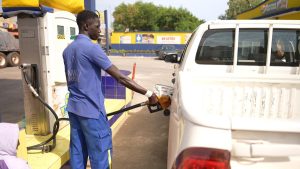
Over the past few years, geopolitical tensions and energy market volatility have significantly increased fuel prices. For humanitarian organizations operating dozens—or even hundreds—of vehicles, this directly impacts operational budgets.
However, the price paid at the pump is only part of the total cost. Excessive engine idling, unplanned detours, fuel theft and inefficient driving behaviors can generate substantial additional expenses that often remain unnoticed. We’ll return to this last point in Hidden Cost #2, as the financial impact of driving behavior is frequently underestimated.
By monitoring fuel consumption in real time, fleet managers can quickly identify anomalies, secure fuel supplies and implement corrective actions before these issues significantly affect their budgets.
Driver behavior has a direct impact on operating costs. Aggressive driving, repeated acceleration, harsh braking and speeding increase fuel consumption, accelerate vehicle wear and significantly raise the risk of accidents.
Monitoring driver performance indicators enables fleet managers to identify risky driving practices, promote eco-driving and improve fleet performance over the long term. Beyond reducing fuel costs, safer driving also limits vehicle wear, reduces accident risks and increases fleet availability for humanitarian missions.
In the field, delayed information or data spread across multiple systems can quickly slow down humanitarian operations. Difficulties locating vehicles, late incident reporting, unshared route changes or limited visibility into ongoing missions all complicate coordination.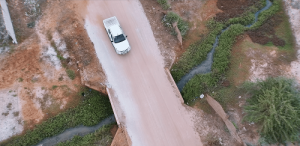
Centralizing communication between drivers, field teams and headquarters improves information sharing, enables faster responses to unexpected events and streamlines mission management.
Delaying maintenance may appear to save money in the short term. In reality, it often results in more costly repairs, accelerated tire wear and even breakdowns or accidents during critical missions, leading to the immobilization of essential vehicles.
In remote regions where repair facilities may be scarce and spare parts difficult to obtain, a single breakdown can take a vehicle out of service for several days and disrupt humanitarian operations.
Using vehicle data, fleet managers can schedule maintenance at the right time, anticipate failures and extend vehicle lifespan while keeping maintenance costs under control.
Humanitarian organizations frequently operate in remote, unstable or high-risk environments. A security incident can immobilize a vehicle, delay emergency response, require additional resources and put personnel at risk.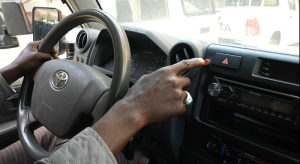
Real-time vehicle tracking, SOS alerts and immediate incident reporting enable coordinators to react quickly, locate teams and maintain operational continuity whenever circumstances require.
 The benefits of data-driven fleet management are measurable. After one year of using HUMANAV to manage a fleet of 70 vehicles in the Democratic Republic of the Congo, the organization achieved significant operational savings:
These results demonstrate a simple reality: better fleet visibility reduces operating costs while allowing humanitarian organizations to dedicate more resources to their missions.
To address these challenges, CLS developed HUMANAV, a fleet management platform specifically designed for humanitarian organizations. It centralizes vehicle data, facilitates communication between headquarters and field teams, improves mission monitoring and provides actionable insights to reduce operating costs while enhancing staff safety.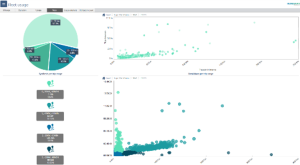
Key HUMANAV benefits: