
Fleet Geolocation: A Hybrid Solution for Tracking 200 Trucks Across the Democratic Republic of the Congo
24 July 2026 - News

24 July 2026 - News
Tracking a fleet of 200 trucks operating between the Democratic Republic of the Congo (DRC) and South Africa is a major operational challenge. In mining regions, gaps in mobile network coverage often prevent fleet operators from maintaining continuous visibility of their vehicles, impacting both driver safety and fuel monitoring. To address this challenge, CLS deployed its hybrid HTS200 tracking device together with a range of safety accessories, ensuring uninterrupted fleet monitoring throughout the entire route.
Contact our experts to learn more
Operating in the mining sector, this transport company manages a fleet of 200 trucks travelling between Lubumbashi, in the Democratic Republic of the Congo, and South Africa. Along this corridor, vehicles regularly travel through areas with limited or no cellular coverage. The fleet’s previous tracking solution relied solely on mobile networks. In remote mining regions and during border crossings, connectivity losses were frequent, leaving operations teams without visibility of their vehicles precisely when they needed it most.
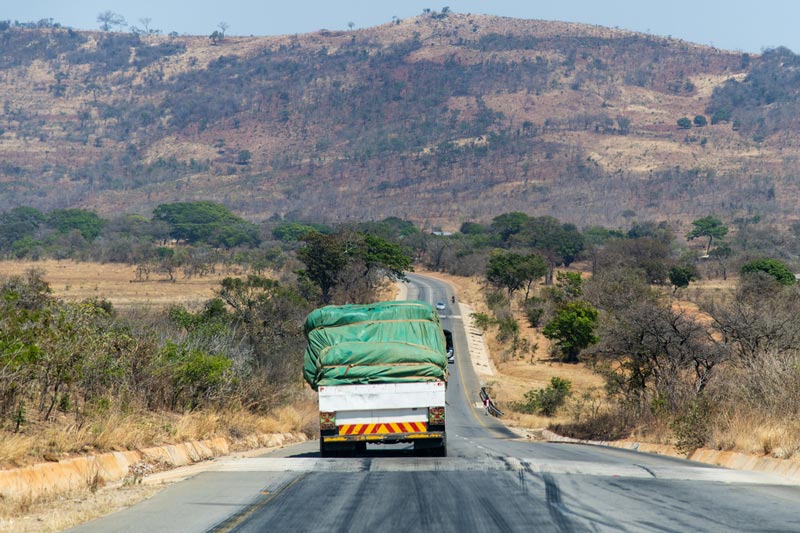
When a vehicle loses connectivity, it is not only its position that disappears. Operations teams also lose visibility of everything happening during the journey. Fuel theft occurring in areas without cellular coverage can no longer be detected. Fuel consumption cannot be accurately monitored to identify excessive usage or abnormal driving behaviour. This lack of information also makes it more difficult to manage day-to-day operations and can delay assistance if a driver experiences an incident or emergency. In mining transport, where journeys cover long distances through isolated areas, maintaining continuous visibility has become a critical operational requirement..

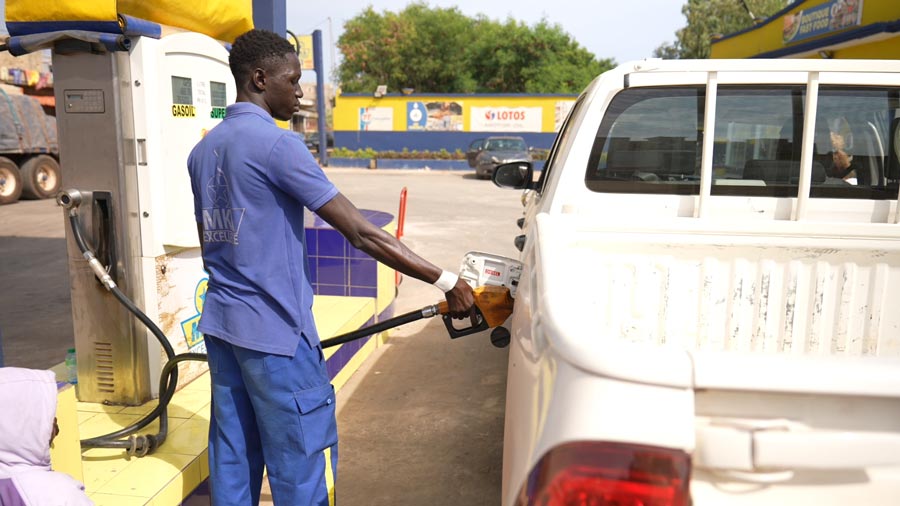
On long-haul routes between the Democratic Republic of the Congo and South Africa, fuel represents one of the largest operating expenses—and one of the biggest sources of financial loss. Fuel siphoning during stops, repeated theft in remote locations, or discrepancies between billed and actual fuel consumption are difficult to identify without a dedicated monitoring solution.
To reduce these losses, CLS provides fuel level sensors installed directly inside vehicle tanks. Connected to the HTS200 tracking device, they continuously measure fuel levels and immediately detect any abnormal variation. Alerts are sent to operations teams, even when trucks are travelling beyond cellular coverage thanks to satellite connectivity. Fleet managers benefit from reliable visibility into actual fuel consumption and a practical way to reduce fuel theft throughout the entire journey.
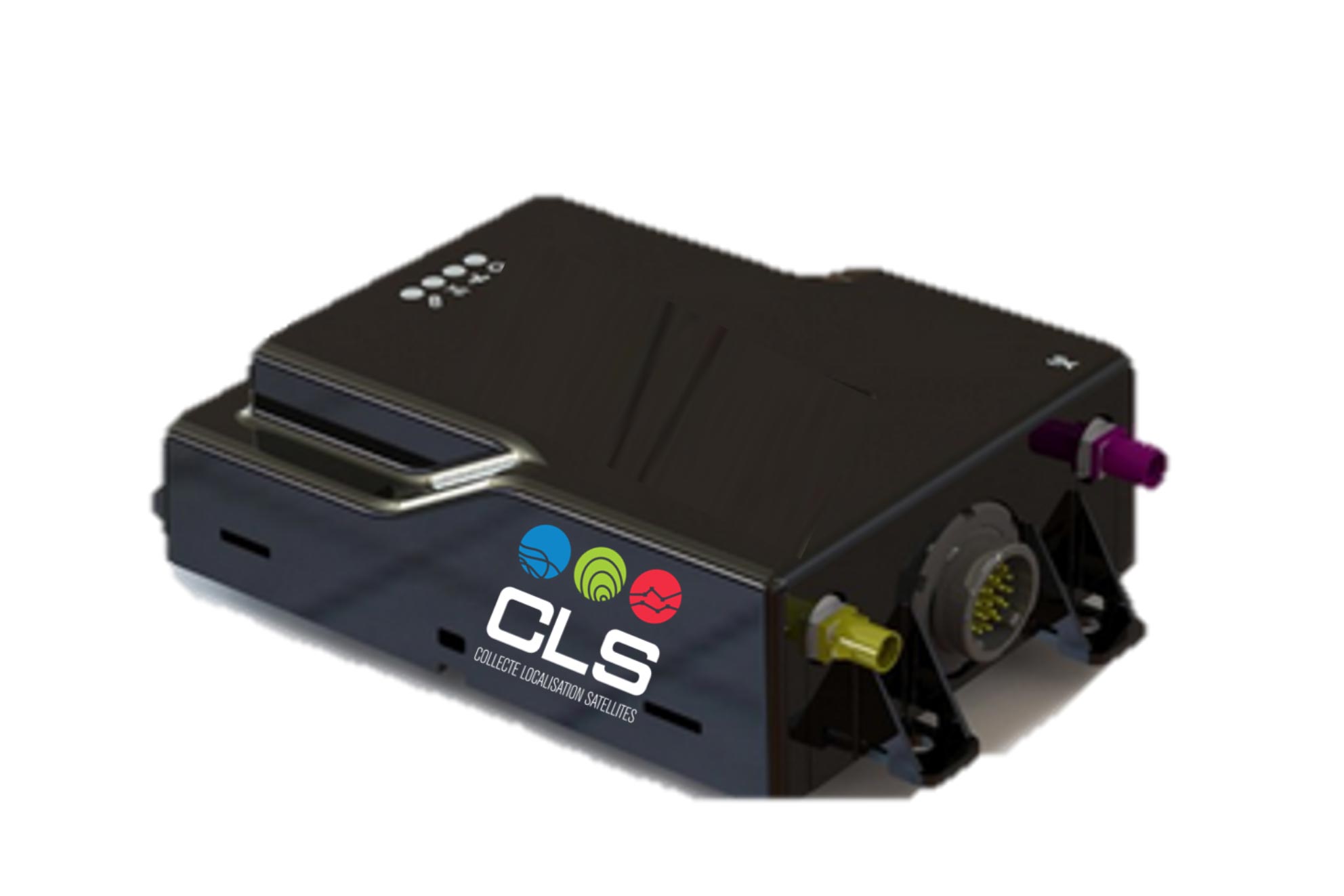
To meet the demands of mining operations, CLS deployed its HTS200 hybrid tracking device, combining cellular and satellite communications to ensure continuous data transmission, even outside GSM coverage. Connected to fuel level sensors installed inside the tanks, the solution provides real-time fuel monitoring and instant alerts whenever unusual fuel level variations occur, including in areas without cellular service. Fleet operators therefore maintain continuous visibility of their vehicles regardless of network availability.
Key Benefits:
Contact our experts to learn more
With this fleet of 200 trucks operating between the Democratic Republic of the Congo and South Africa, CLS demonstrates that reliable fleet tracking is possible even where cellular networks reach their limits. This project highlights the value of hybrid connectivity for mining operators facing demanding field conditions.