Improving Safety and Fleet Efficiency in the Mining Industry
13 November 2026 - Transports & Logistics

13 November 2026 - Transports & Logistics
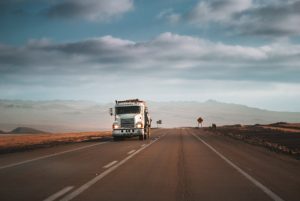 In the mining industry, transporting goods, equipment and raw materials presents significant operational challenges. Long distances, remote locations, fuel theft risks and driver safety concerns all require companies to ensure the continuity and reliability of their operations. Through its fleet tracking and satellite communication solutions, CLS helps mining operators enhance safety and improve operational performance.
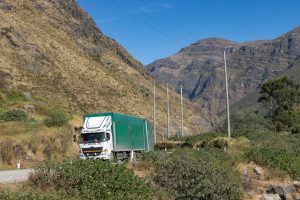 Mining operations often involve transporting high-value goods, fuel and equipment over hundreds or even thousands of kilometers.
These journeys frequently take place in challenging environments, where road infrastructure and cellular network coverage may be limited.
Fleet managers face several challenges on a daily basis:
In these conditions, access to reliable vehicle and journey data is essential to securing operations and supporting better decision-making.
To address these challenges, CLS provides fleet management and tracking solutions designed for remote environments and high-risk transport operations.
By combining satellite and cellular communications, these technologies help operators maintain vehicle visibility, even in areas where traditional mobile networks are unavailable.
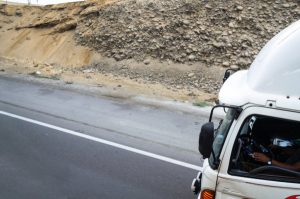 They offer several key capabilities.
1. Maintain Fleet Visibility, Even in Remote Areas
Thanks to hybrid cellular and satellite connectivity, fleet managers can track vehicle locations and monitor their movements through a centralized platform.
CLS’s international cellular roaming agreements, combined with satellite connectivity, also help ensure continuous vehicle tracking across multiple borders, including in areas where mobile network coverage is limited or unavailable.
This visibility improves operational coordination and enables faster detection of unusual situations, such as route deviations or unexpected stops.
2. Enhance Driver Safety
 Driver safety is a top priority.
Fleet tracking solutions help monitor driving behavior, provide alerts in the event of critical situations, and facilitate emergency response through dedicated alert systems.
The goal is to better anticipate risks and improve team responsiveness in the event of an incident.
3. Reduce Fuel-Related Risks
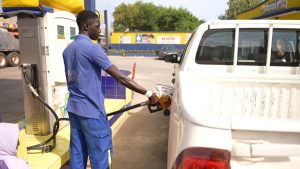 Fuel represents a major operational cost for mining transport companies.
By integrating fuel sensors and monitoring tools, operators can track fuel levels, identify abnormal variations and detect potential fuel losses or theft.
These insights help fleet managers improve fuel management, control consumption and identify opportunities for optimization.
4. Optimize Operational Performance
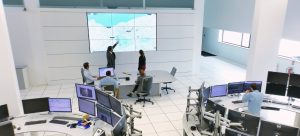 Beyond safety, digital fleet monitoring enables operators to centralize data related to vehicle movements, routes, performance, and maintenance.
With this information, operators can identify inefficiencies, anticipate maintenance needs, schedule interventions to minimize vehicle downtime, and improve day-to-day fleet management.
Mining transport challenges are particularly significant in Southern Africa, where some transport routes cross vast regions with limited cellular network coverage.
In the Democratic Republic of the Congo (DRC), CLS supported a transport operator managing a fleet of 200 trucks operating between Lubumbashi and South Africa.
One of the main challenges was maintaining vehicle visibility throughout these journeys, despite network coverage gaps, while improving fuel consumption monitoring.
To address these needs, CLS deployed its HTS200 hybrid tracking solution, combining cellular and satellite communications with fuel monitoring systems and driver safety equipment.
This solution enables fleet managers to:
This case study demonstrates how reliable connectivity and centralized monitoring can help strengthen safety, operational control and fleet efficiency in challenging mining environments.
WANT TO LEARN MORE ABOUT THIS DEPLOYMENT?
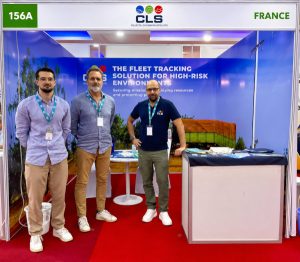 From October 28 to 30, 2026, CLS participated in MINEXPO Tanzania in Dar es Salaam, an event bringing together mining professionals, equipment suppliers and technology providers. The exhibition provided an opportunity for CLS to showcase its expertise in high-risk transport and its fleet monitoring solutions, designed to address the specific challenges of mining operations across Africa. Through its participation, CLS reaffirmed its commitment to supporting mining and logistics operators in making transport operations safer, more connected and more efficient.